Every piece of hiring software in use today is built on the same assumption.
The decision-maker will come to it.
They will log in. They will navigate. They will find what needs their attention. They will act.
For office-based organizations, this assumption holds. A hiring manager at a desk checks their system the way they check email. It fits inside the workflow.
In a hospital, it doesn't. And that single assumption is why clinical hiring pipelines stall at the decision stage more reliably than anywhere else.
The Assumption That Breaks the Pipeline
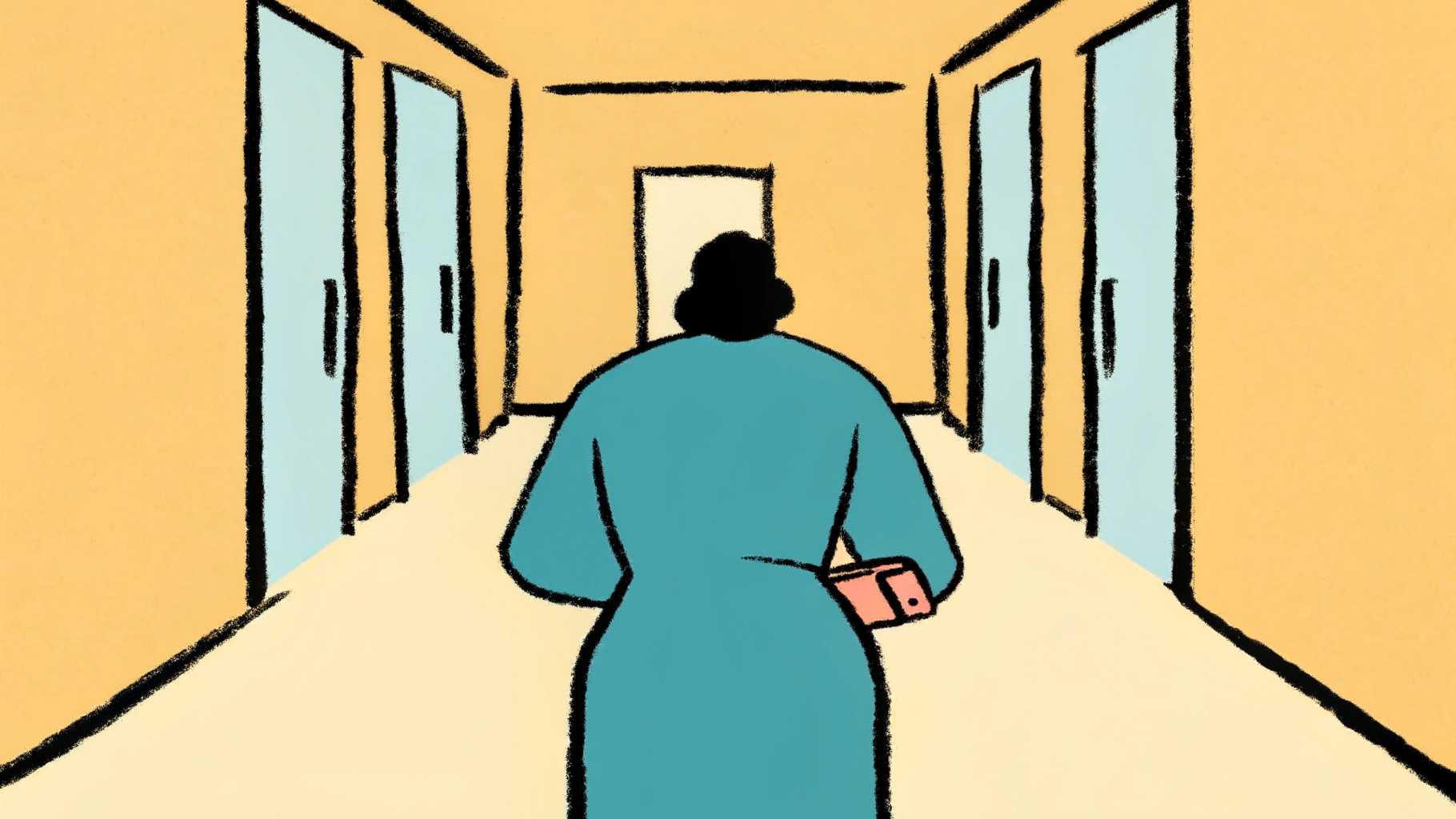
Clinical leaders, nurse managers, department heads, and clinic directors are the people whose decisions determine whether a candidate moves forward or not. They are also people who do not spend significant portions of their day sitting at desks.
When a candidate clears screening and lands in a hiring manager's queue, the system waits. It has the information. It has the candidate. What it doesn't have is a way to reach the person who needs to act without requiring them to come to it first.
The notification arrives in an email inbox. The email inbox competes with everything else in the inbox. The hiring manager sees it during a moment when acting on it isn't possible. The moment passes. Another one comes. The notification is still there. So is the candidate, for now.
According to GoodTime's 2026 Hiring Statistics Report, hiring slowdowns in healthcare are driven primarily by decision-maker follow-through, not sourcing.¹ The system has what it needs. The decision-maker is elsewhere.
What Changes When the System Moves
The average time to recruit an experienced RN is 83 days, according to the 2025 NSI National Health Care Retention & RN Staffing Report.² A meaningful portion of that timeline is decisions waiting to be made, not candidates waiting to apply.
What changes when the design assumption is reversed?
Instead of waiting for the clinical leader to find the decision, the decision finds the clinical leader, in the moment they actually have, with only what they need to act.
The candidate information doesn't change. The decision doesn't change. What changes is where and when the decision-maker encounters it, and whether that moment is one where acting is possible.
The Question Worth Asking
Most conversations about improving hospital hiring focus on the front end. Better sourcing. Smarter screening. Faster credentialing. These improvements matter. They've made the top of the funnel more efficient than ever.
The question that gets asked less often is what happens after a candidate is ready and waiting. Who owns that moment? How does the system reach the person who needs to act?
If the answer is "they have to come to us," is that an answer that works for clinical leaders whose day is organized around patients, not platforms?
What changes when the system is built around the worker it actually needs to reach?
Sources
-
GoodTime. 2026 Hiring Statistics Report. https://goodtime.io/blog/recruiting/healthcare-hiring-trends/
-
NSI Nursing Solutions, Inc. 2025 NSI National Health Care Retention & RN Staffing Report. https://www.beckershospitalreview.com/quality/nursing/hospital-nurse-turnover-vacancy-rates-by-year/